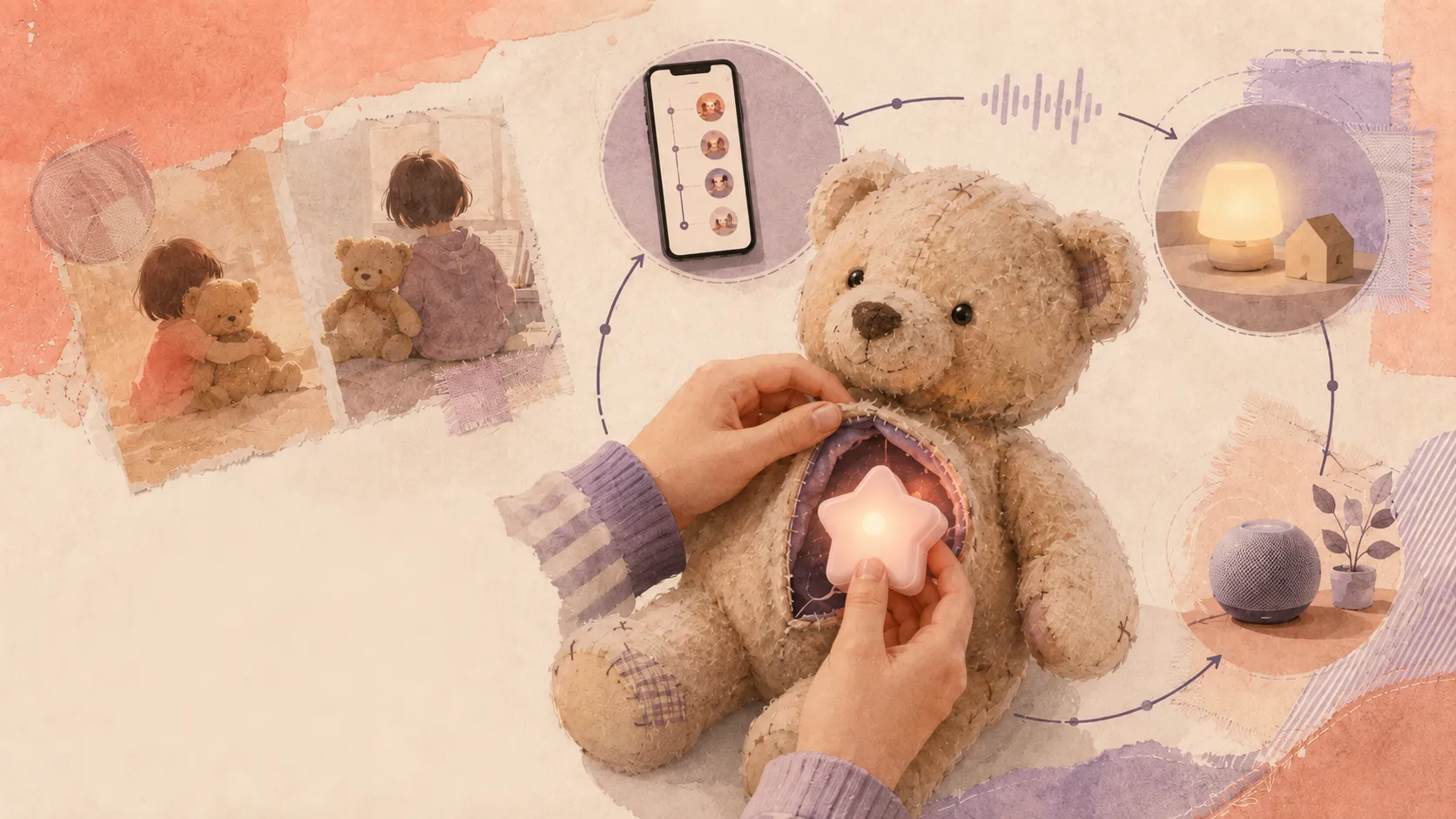
Children often keep emotional attachments to toys long after they have outgrown the toy itself. The smart-toy market usually asks families to replace that object with a new device. YaYa asks a more culturally sensitive question: what if the toy a child already loves could grow with them? 孩子可能已经长大了,但对某个玩偶的感情并不会马上消失。智能玩具市场通常让家庭买一件新设备、重新建立关系。YaYa 反过来问:如果孩子已经喜欢的那个玩偶,本身就能陪他一起长大呢?
Key Findings核心发现
Attachment Beats Novelty 依恋胜过新鲜感
Kids bond with specific objects, not product categories. A new smart toy cannot automatically inherit that trust. 孩子依恋的是某一个具体物件,不是某个品类。新的智能玩具不能自动继承那份信任。
Parents Want Less Screen Time 家长想要更少的屏幕时间
The same parents buying iPads to keep kids busy are actively searching for alternatives. Screen fatigue is a real purchase driver. 那些在给孩子买 iPad 打发时间的家长,也在主动找替代方案。屏幕疲劳是一个真实的购买动因。
Smart Home Is Already Home 智能家居已经在家里了
Smart hubs live in roughly 1 in 3 US households. A toy that speaks their protocol slots into the house without adding another device. 大约每三个美国家庭就有一个装了智能家居中枢。一个能说它们那套协议的玩偶,能直接嵌进家里,不用多加一台设备。
Emotional IO Is the Product 情绪交互才是那件产品
Voice recognition is commodity. Reading a child's emotional state, and responding with comfort, is the real differentiator. 语音识别已经是大路货。读到一个孩子的情绪状态、并且用安抚回应它,才是真正的差异点。
Process过程
Market & Behavioral Research 市场与行为研究
Mapped the smart toy landscape, from Folotoy to plush robots. Interviewed parents about screen time anxiety, purchase triggers, and the graveyard of outgrown toys in every closet. 从 Folotoy 到毛绒机器人,盘了一圈智能玩具的版图。和家长聊了屏幕时间的焦虑、购买的触发点,以及每一个衣柜里那个「长大不要了」的玩具坟场。
Concept Framing 概念定位
Landed on the core insight: don't build a new toy, upgrade the one they already love. The chip becomes the product; the toy becomes the body. 落到最核心的一个洞察:不要做一件新玩具,把他们已经喜欢的那个升级。芯片是产品,玩偶是身体。
Brand Identity 品牌身份
Built YaYa as a fairytale-adjacent, warm, character-forward brand. Soft orange glow, playful wordmark, translucent bear mascot. Not sterile tech. 把 YaYa 做成一个贴近童话、温暖、以角色为先的品牌。柔和的橘色光、俏皮的字标、半透明的小熊吉祥物,不是那种冷冰冰的科技感。
Product System 产品系统
Designed the three-part system (AI chip, companion app, smart-home bridge) so each piece works alone but gets better together. 设计了三件一套的系统(AI 芯片、伴随 app、智能家居桥接),三件各自能单独工作,放在一起更好。
Storyboard & Prototype 故事板与原型
Built a 10-frame storyboard walking through a day with YaYa, then prototyped the app flows from onboarding to memory review. 做了一套 10 画面的故事板走完和 YaYa 共度的一天,再把 app 从引导到记忆回看的流程做成可交互原型。
Why upgrade, not replace
Every smart toy on the market asks a family to form a new bond. YaYa starts from the opposite assumption: the bond already exists. The teddy bear the child sleeps with, the rabbit that went through surgery, the plush they brought to the hospital. Those objects already carry meaning. YaYa’s job is to add memory and responsiveness on top of that meaning, not to compete with it.
That reframing changed every downstream decision. The chip has to be small and retrofittable. The brand has to feel warm and character-forward, not gadget-forward. The app has to feel like a journal for a relationship, not a settings panel for a device.
The system, in three pieces
The Chip
A small AI module installed inside the existing toy. Voice and motion IO, emotion-aware responses, parent-gated safety. Professional install at launch, DIY kit planned.
The App
Parent-controlled dashboard and child-facing memory journal. Onboarding flow, daily check-ins, and a timeline of moments the toy and child shared.
The Home
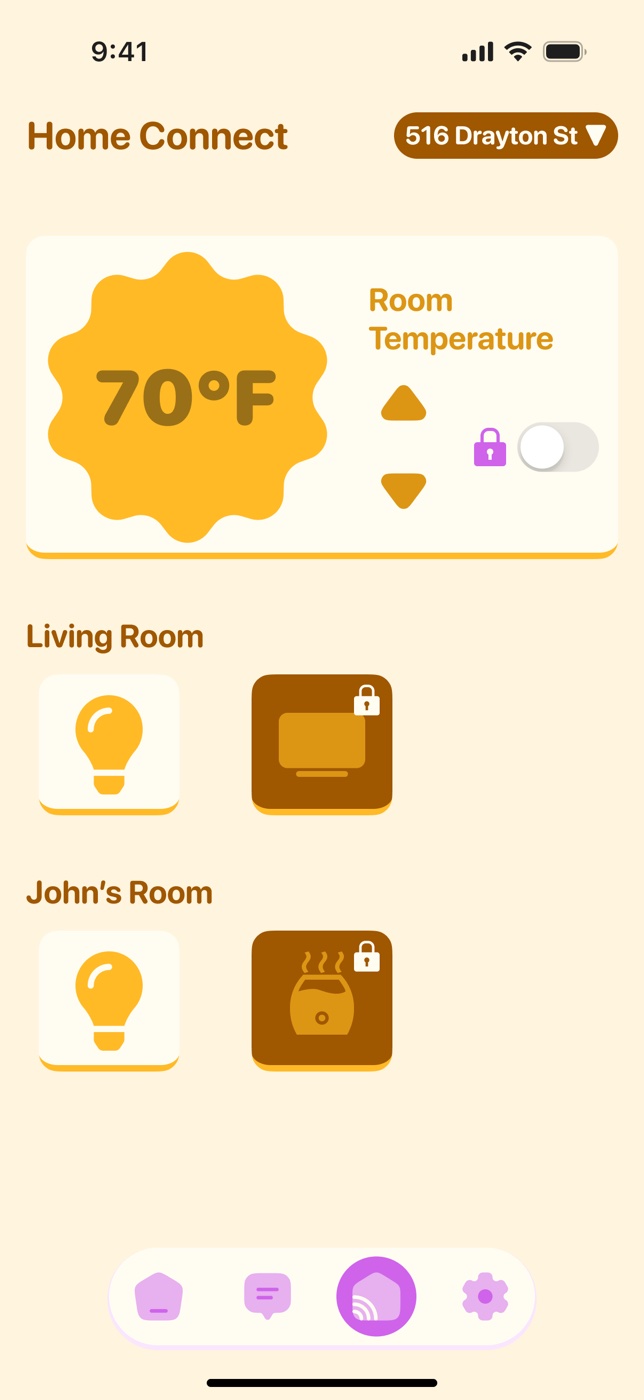
Optional smart-home bridge. The toy becomes a friendly front-end for lights, temperature, and routines, with every action scoped and revocable by the parent.
The story: one toy, two childhoods
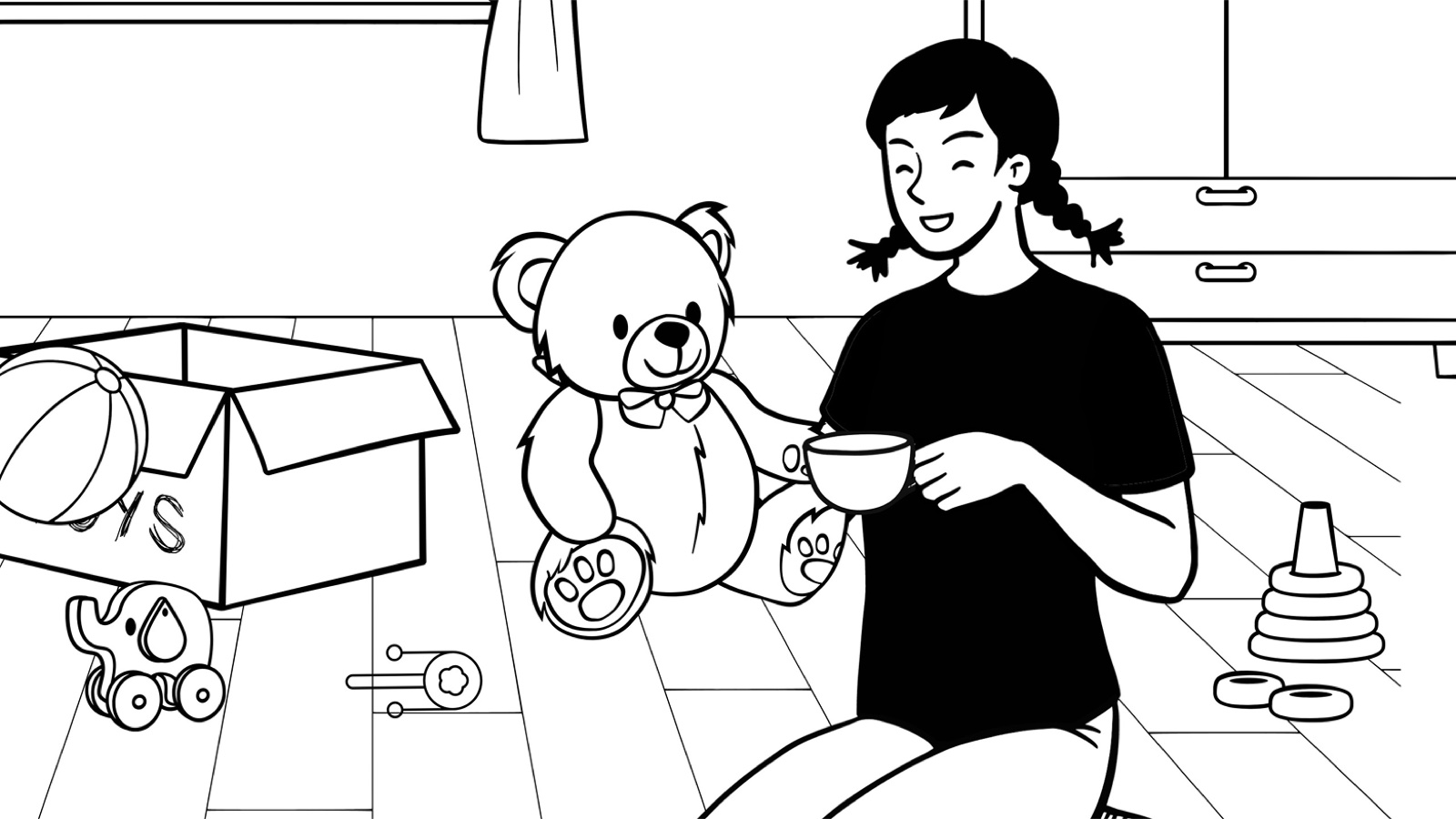
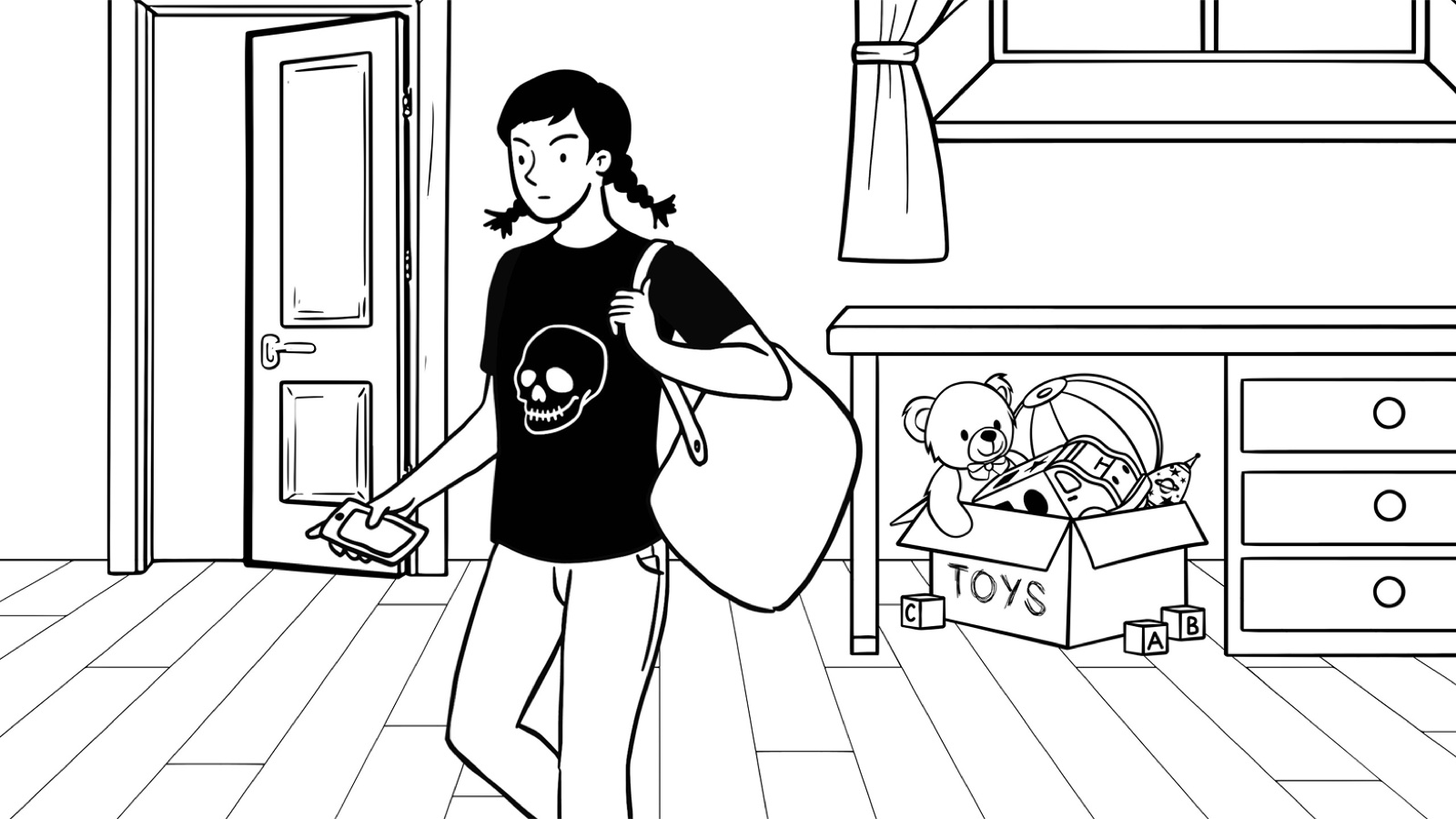
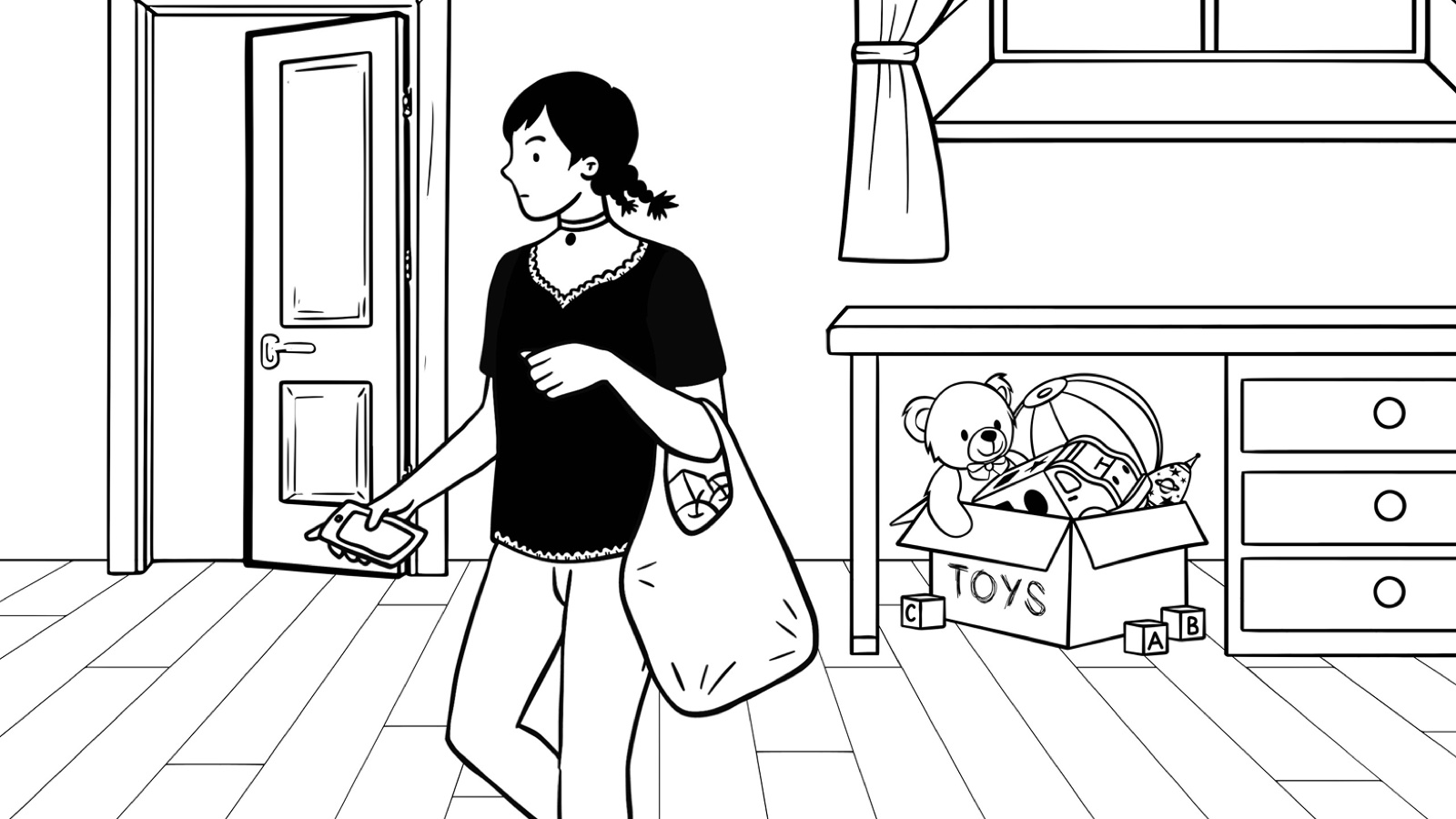
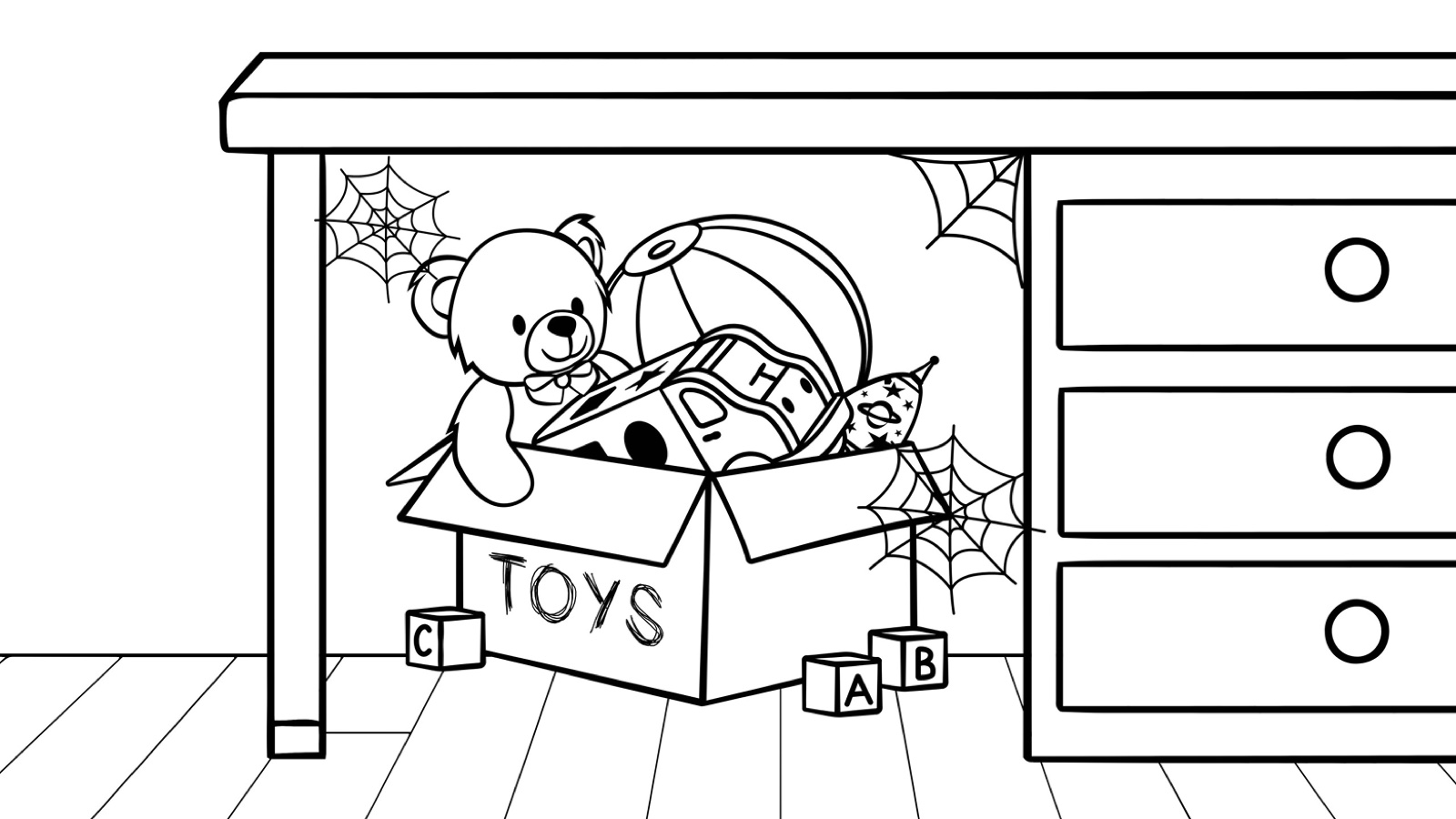
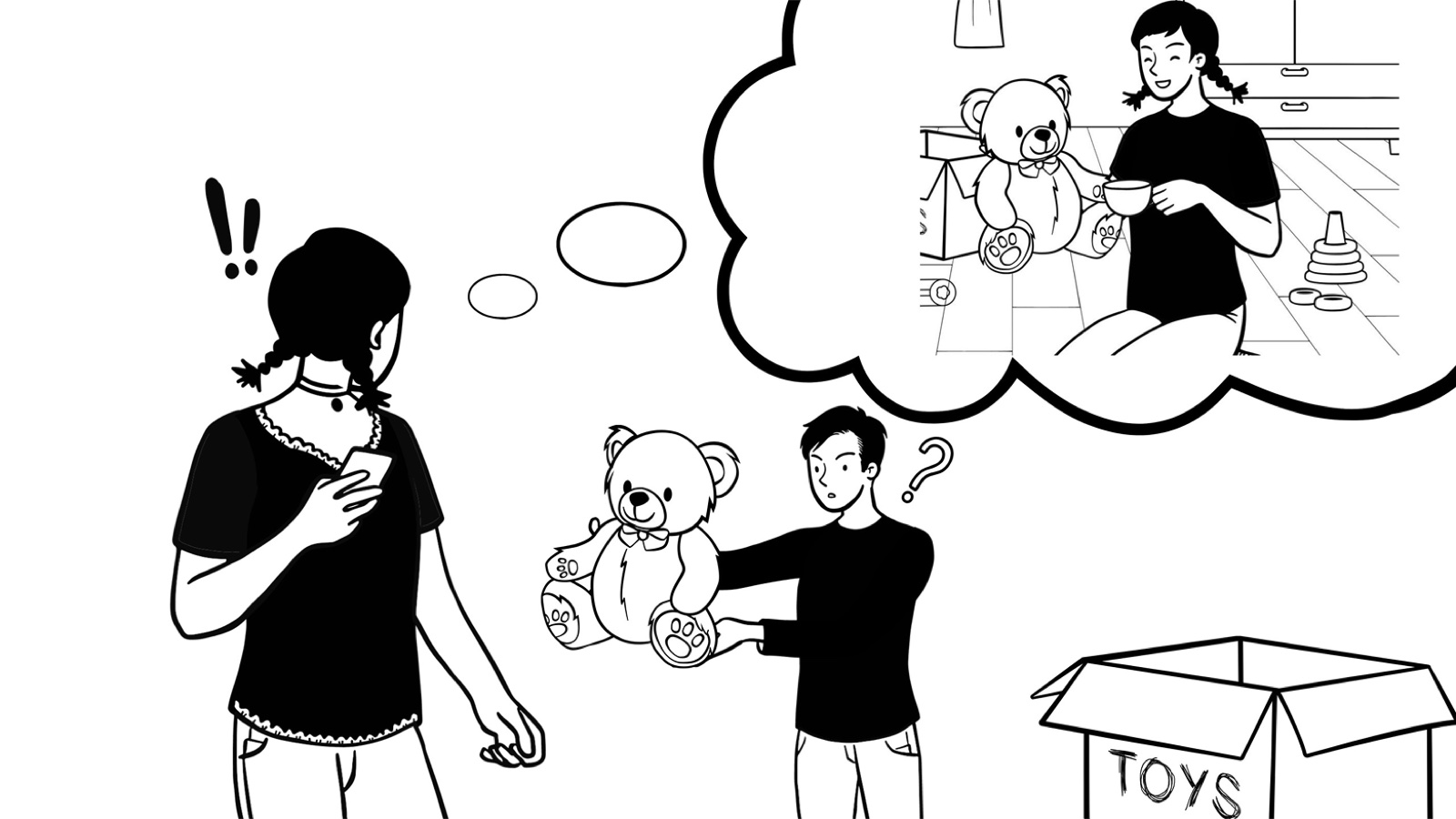
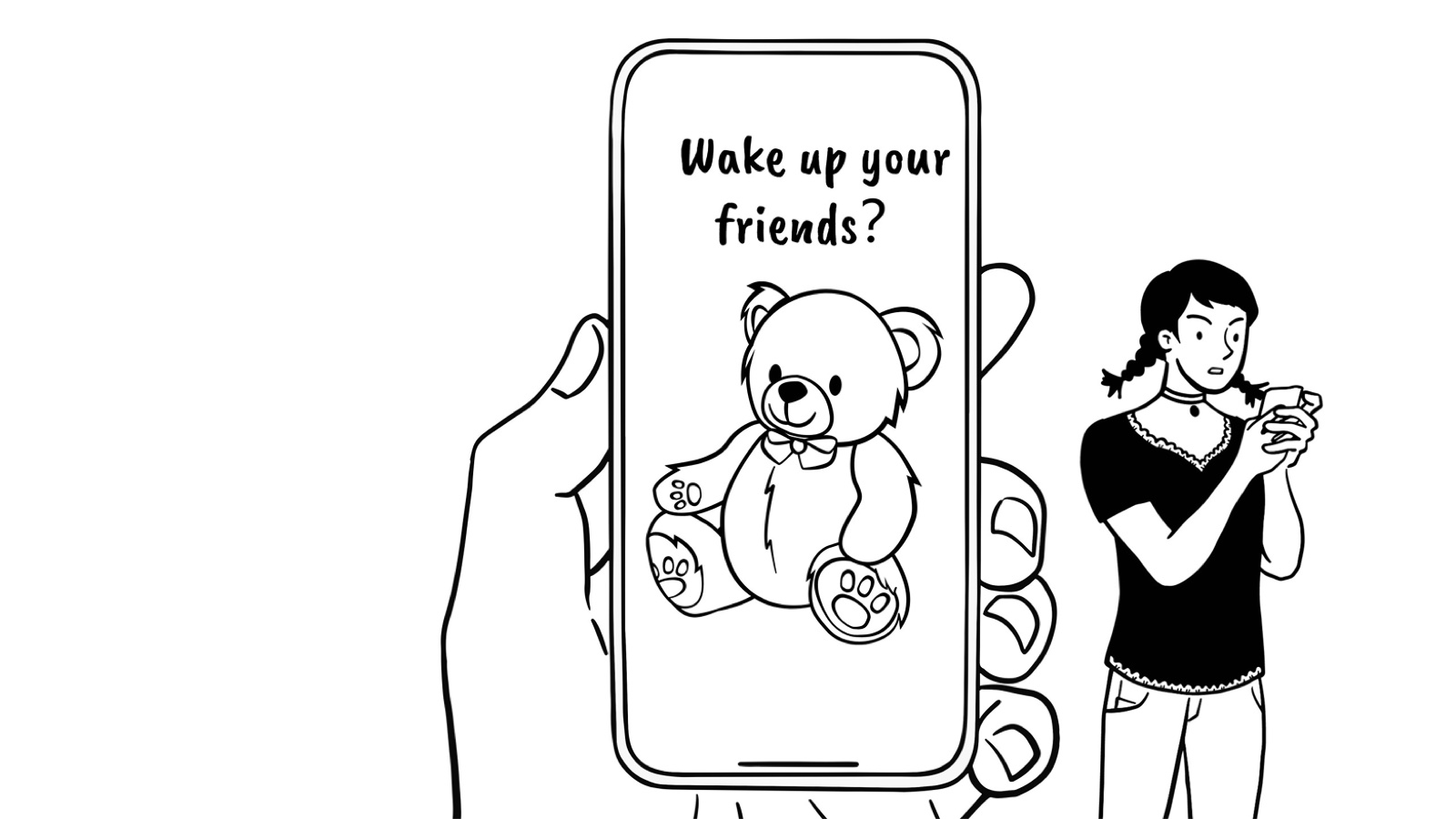
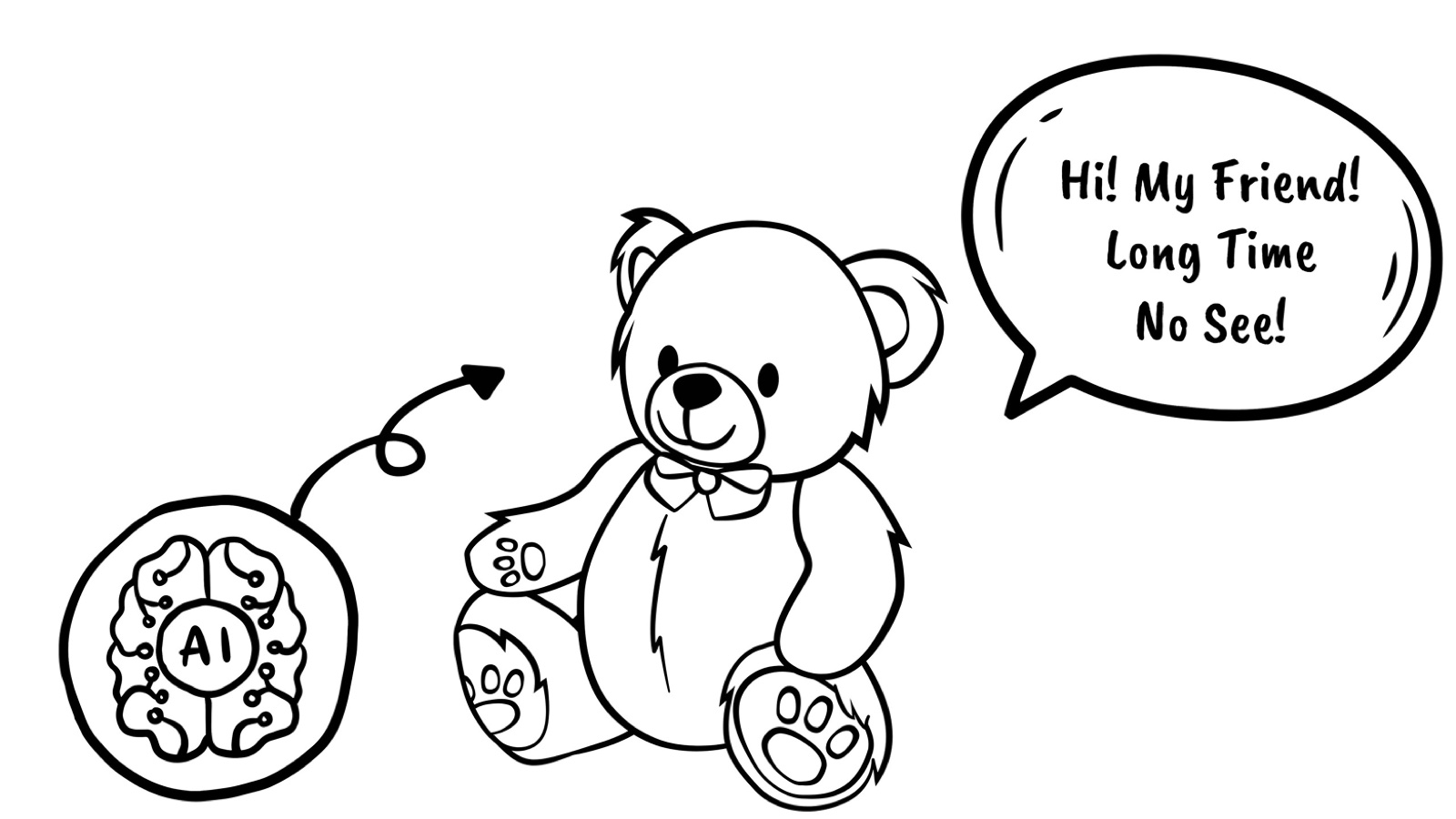
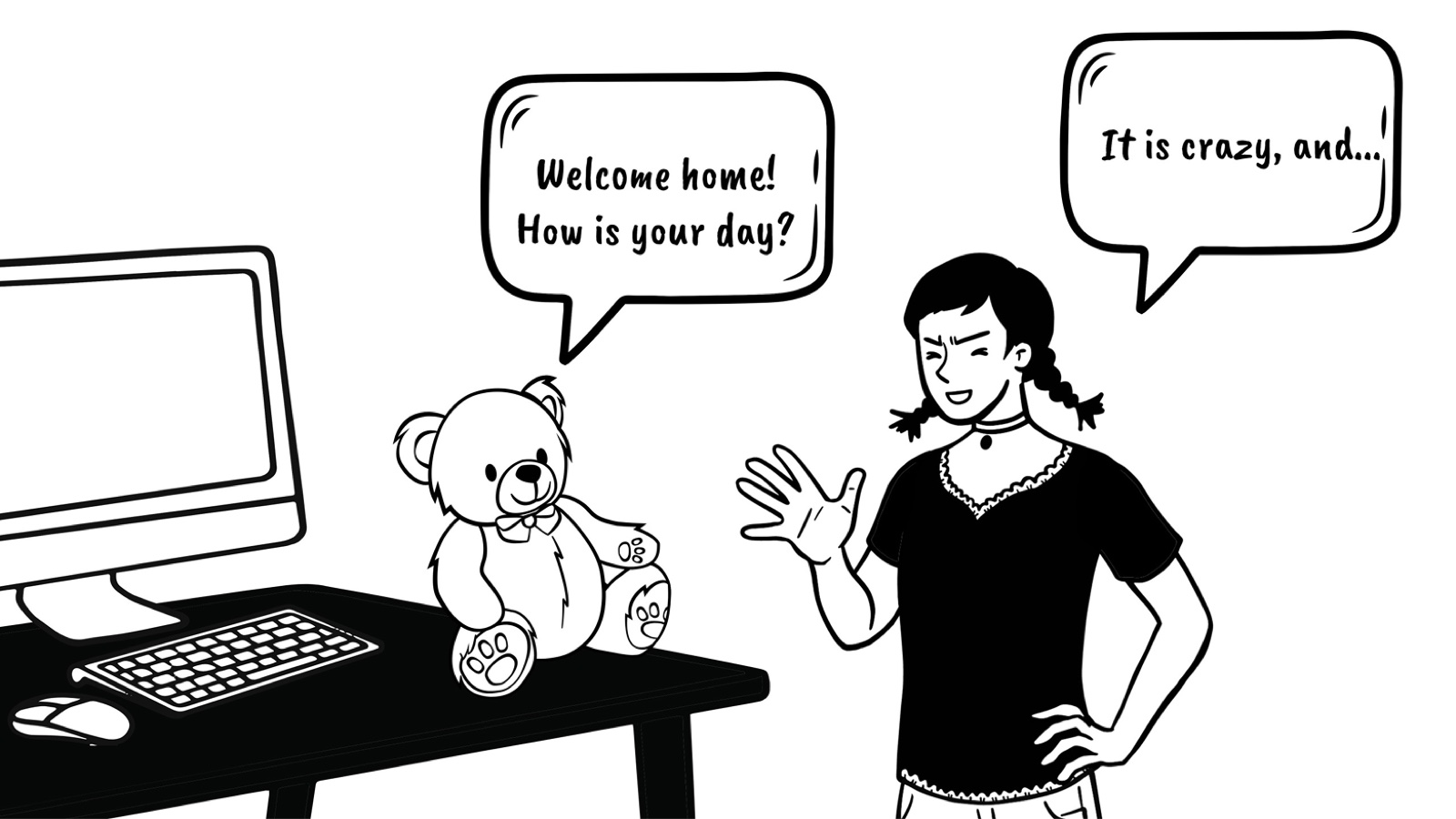
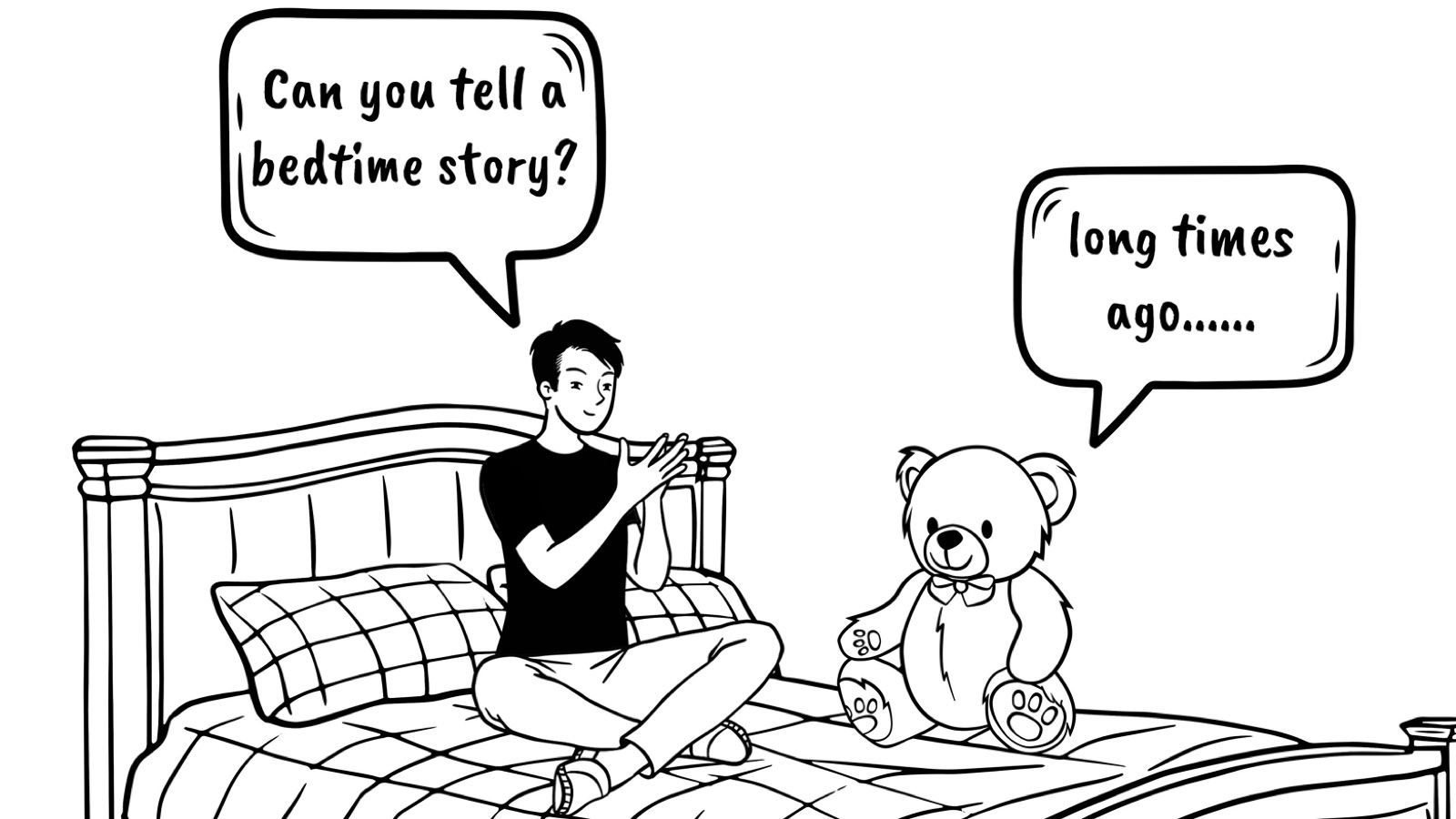
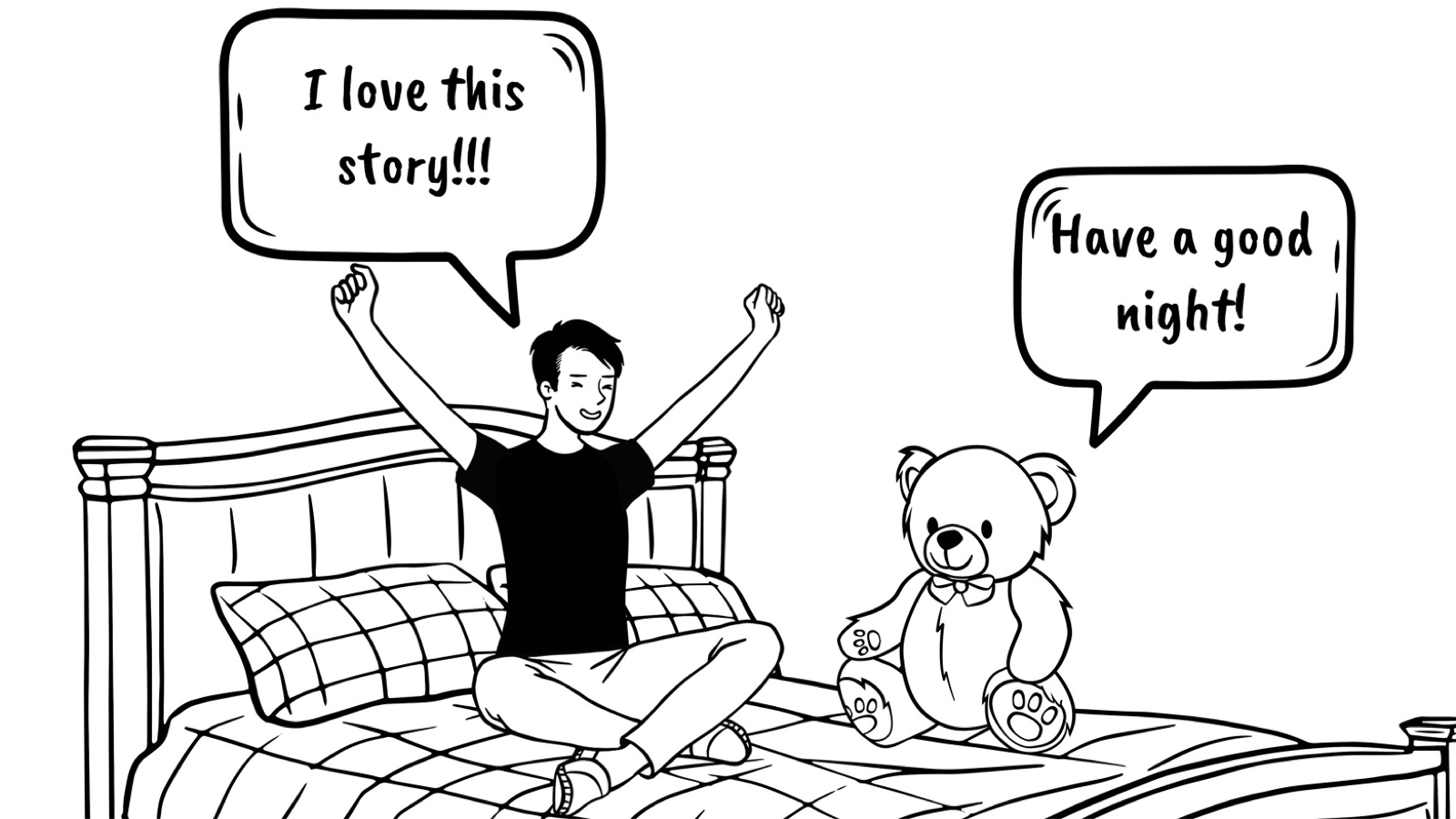
The 10-frame storyboard tracks a single teddy bear across a generation. Frames 1–4 are the mother as a little girl: her toy, her comfort. Frame 5 is the handoff: years later, her son finds the same bear in a closet. Frames 6–10 are YaYa kicking in: the same body, now with memory and voice, becoming a companion the new child can grow up alongside. The whole product thesis is in that arc: we don’t replace the bond, we extend it.
The companion app
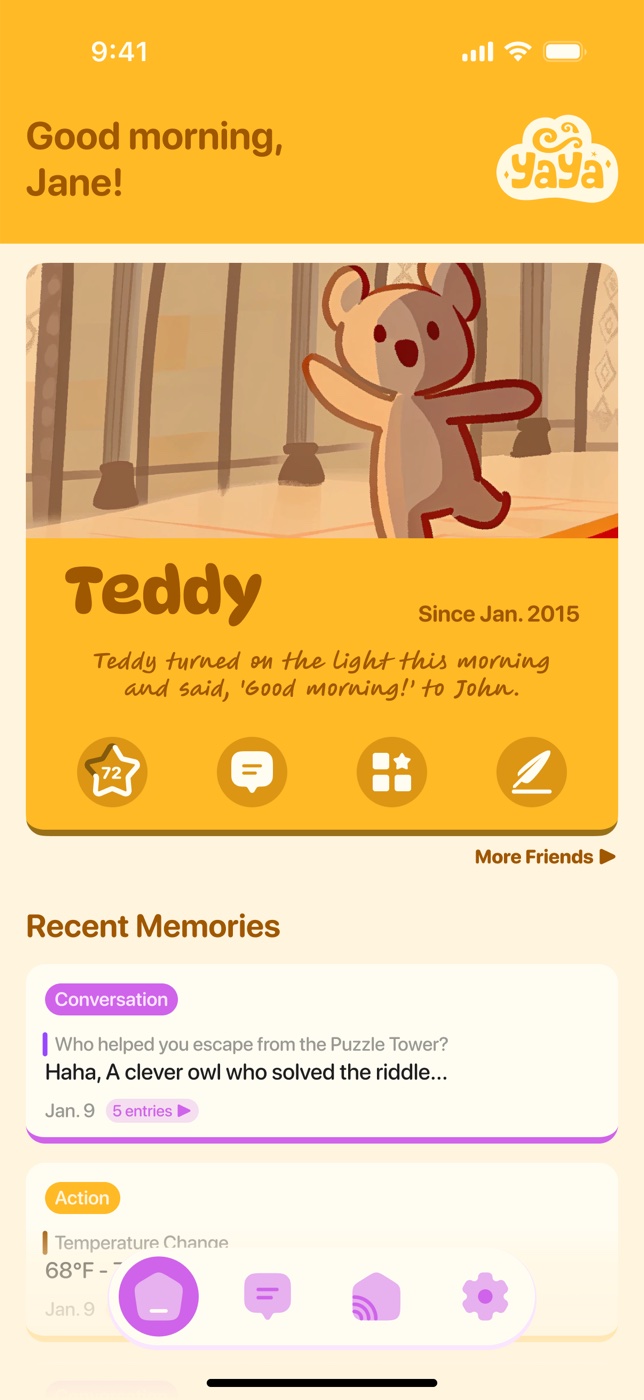
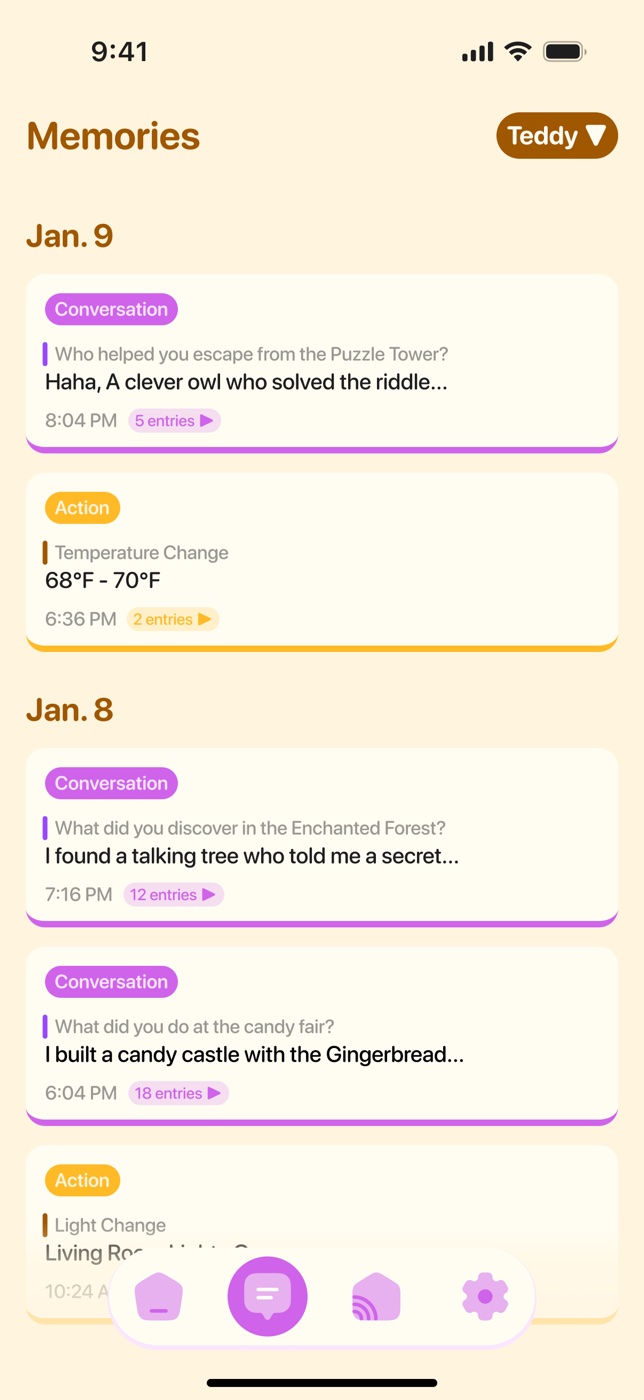
The app is where the relationship becomes legible. Parents configure, children visit. We designed the onboarding as a storybook (naming the toy, picking a personality) and the main surface as a warm, scroll-friendly memory timeline rather than a settings panel.
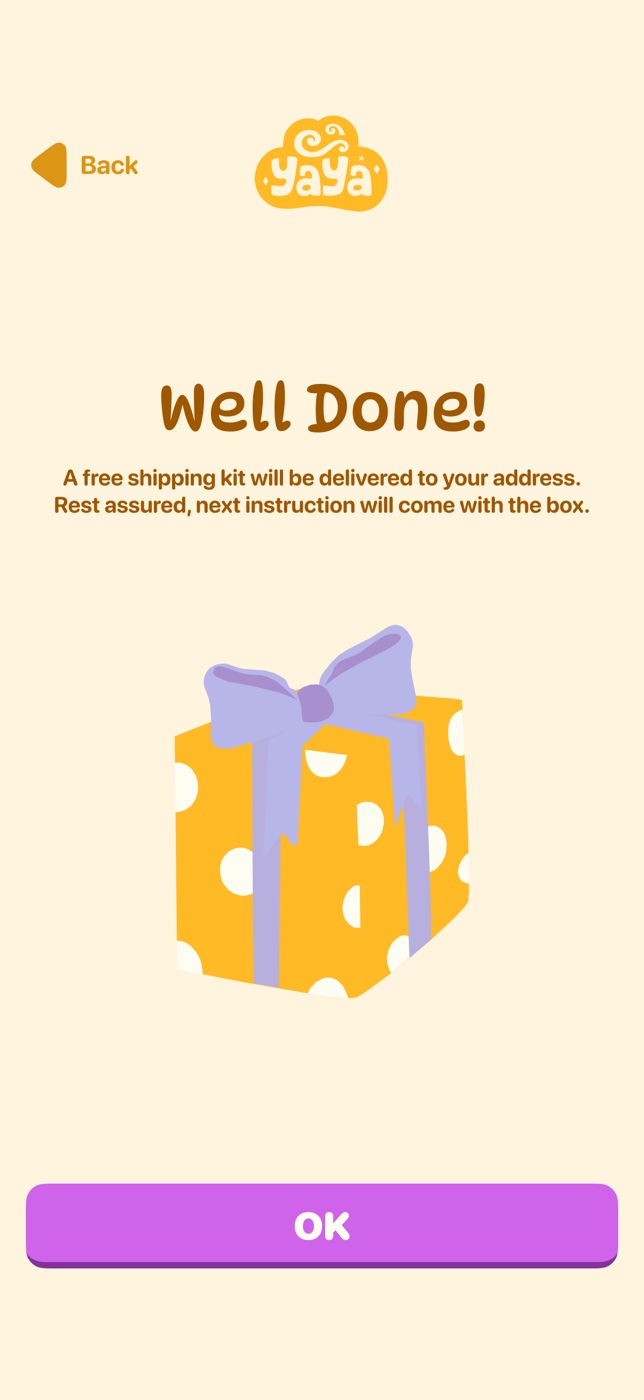
Onboarding runs six storybook steps: meet YaYa, connect the toy, name it, pick a personality, set boundaries, begin.
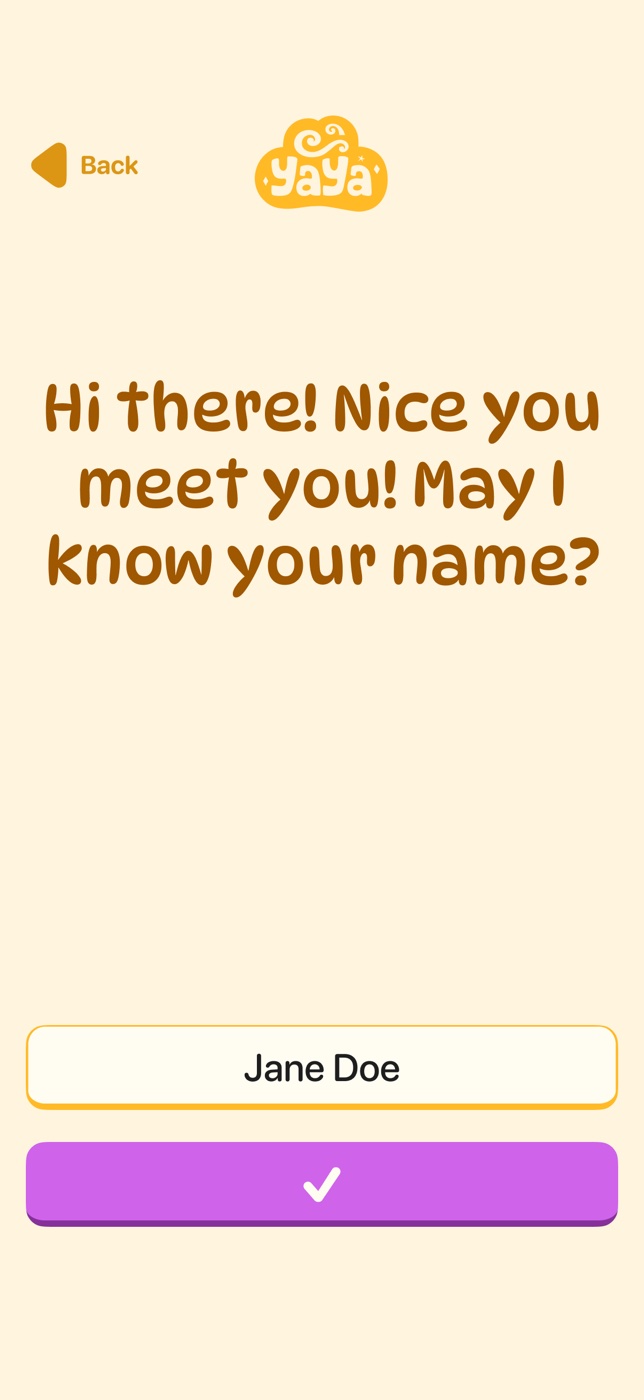
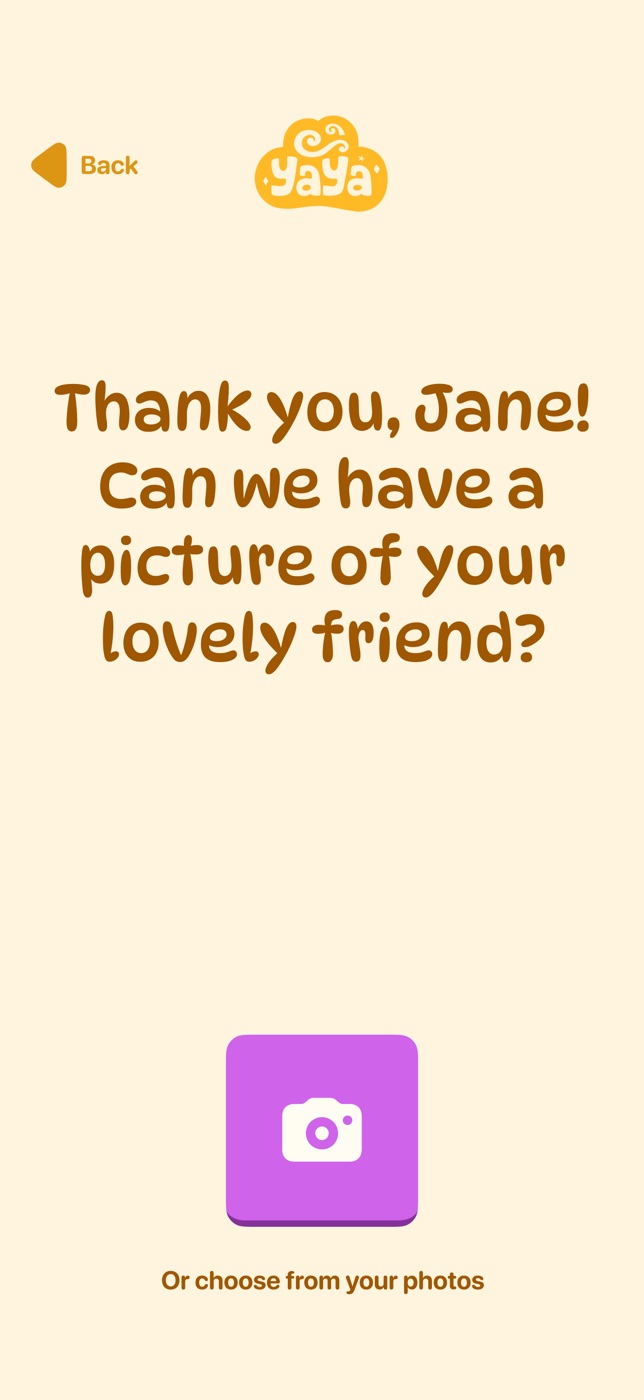
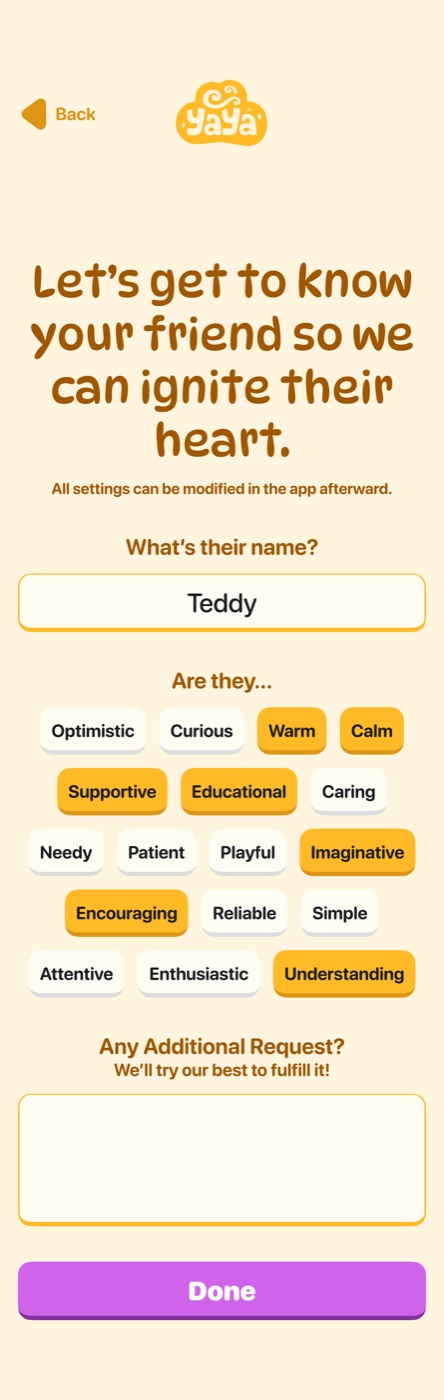
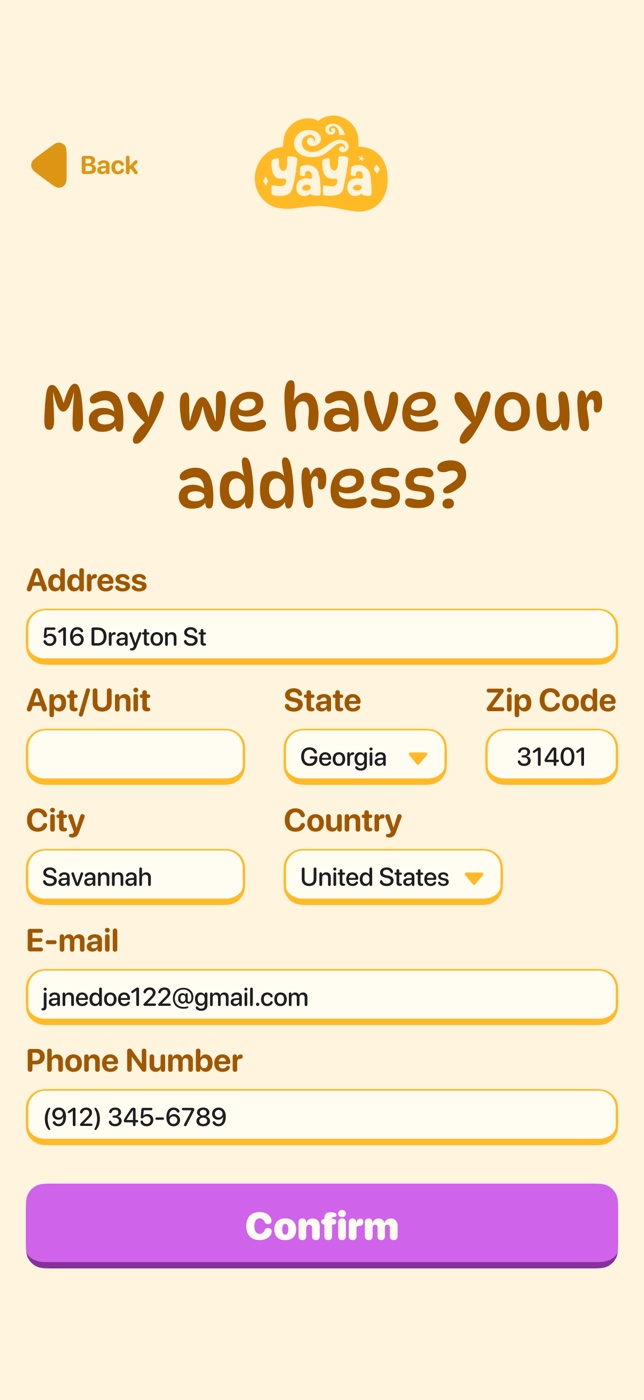
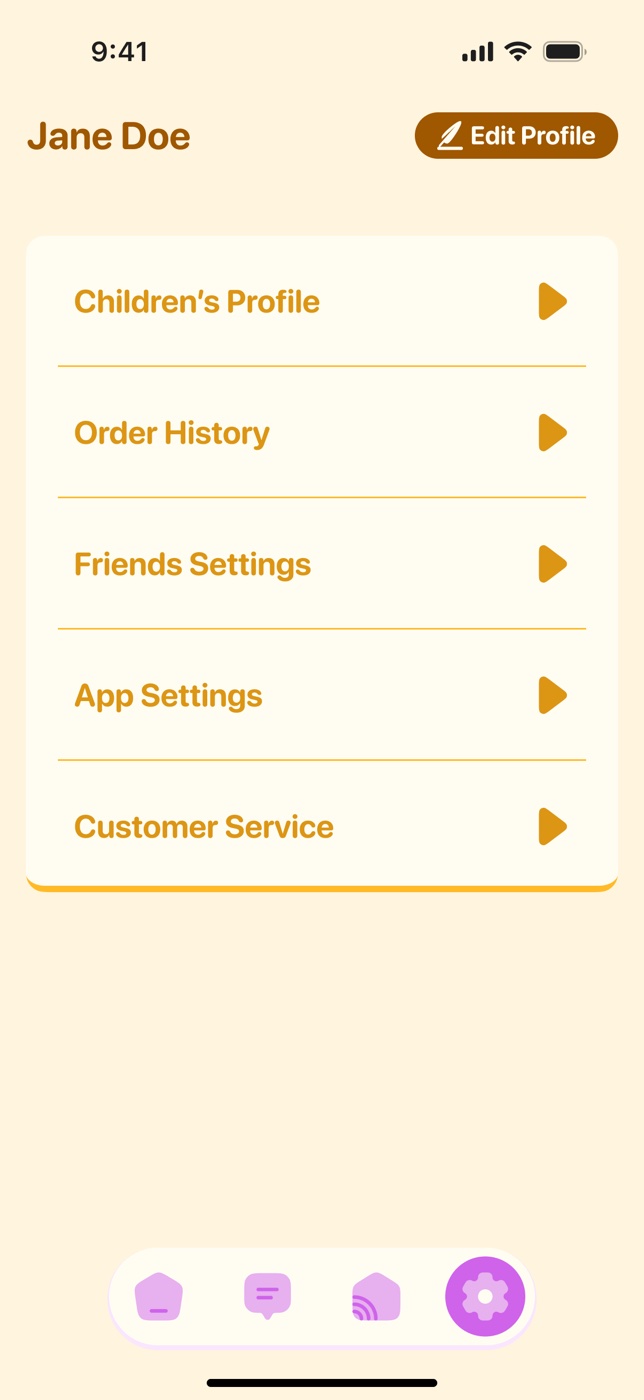
The main surfaces are four: the warm home screen, the memory timeline, and the two-step home connection.
What the awards responded to
The IDA and Indigo juries both flagged the same thing: the reframing. The work didn’t win on visual polish alone (though the brand does its job). It won because the premise itself was honest about what kids and parents actually experience. Every other smart toy asks a family to form a new bond. YaYa starts from the bond that’s already there, and asks how to let it grow up.
为什么是升级,不是替换
市场上每一件智能玩具都在要求一个家庭重新建立一份感情。YaYa 从反过来的那个假设出发:那份感情已经存在了。那只孩子每晚抱着睡的小熊,那只陪他做完手术的兔子,那只被带去过医院的毛绒。那些东西已经带着意义。YaYa 要做的,是在那份意义之上加一层记忆和回应,不是去和它竞争。
这个重新定义改变了之后每一个决定。芯片必须足够小、能塞进去。品牌必须暖、以角色为先,不是以小工具为先。App 必须像是一段关系的日记,不是一台设备的设置面板。
三件一套的系统
芯片
一枚装进既有玩偶里的小型 AI 模块。支持语音和动作 IO、情绪感知回应、家长权限闸。上线时走专业安装,之后计划推自装套件。
App
家长侧的控制台 + 孩子侧的记忆日记。引导流程、每日打卡,以及一条玩偶和孩子共度的时间线。
家
可选的智能家居桥接。玩偶成为灯光、温度、日常动线的友好前端,每一个动作都可被家长限定、并且可撤回。
故事:一只玩偶,两段童年
这套 10 画面的故事板,跟着同一只小熊横跨一代人。画面 1–4 是妈妈小时候:她的玩偶,她的慰藉。画面 5 是交接:多年之后,她的儿子在一个衣柜里找到同一只熊。画面 6–10 是 YaYa 接上来:同一个身体,这次带着记忆和声音,成为这个新孩子能一起长大的伙伴。整件产品的论点就在这条弧线里:我们不替换那份感情,我们让它延展。
伴随 app
App 是这段关系变得可见的地方。家长配置,孩子访问。我们把引导做成了一本绘本(给玩偶起名、挑性格),主界面做成一条暖色、好滚的记忆时间线,不是设置面板。
引导流程一共六步,节奏是绘本式的:认识 YaYa、连上玩偶、起名字、挑性格、设边界、开始。
主界面四个面:暖色的主屏、记忆时间线,以及两步家居连接。
评委回应的那件事
IDA 和 Indigo 的评委都提到了同一件事:这个重新定义。这件作品赢的不只是视觉打磨(虽然品牌本身也在做它的事)。它赢在那个前提本身对孩子和家长真正经历的东西是诚实的。市场上其它每一件智能玩具都在要求一个家庭去建立一份新的感情。YaYa 从那份已经存在的感情出发,问的是怎么让它一起长大。